

No More Plates
(Guest Post by Lulu Partner Christie Thomas on her Trip to Uganda)
by Christie Thomas
There are no more plates.
Nearly 200 Bible training graduates in black cap and gown mill around inside the small, walled Lulu Tree compound. Some have already received their meal and sit in the shade, hungrily scooping rice and matooke with their fingers. Some of these graduates traveled here last night, riding a bus all night to the compound an hour north of Jinja, Uganda. It is now 3 pm and lunch is hours later than planned.
The hungry stand in line, sweating in their caps but refusing to take them off, because for many of them, this is the only graduation they will ever have.
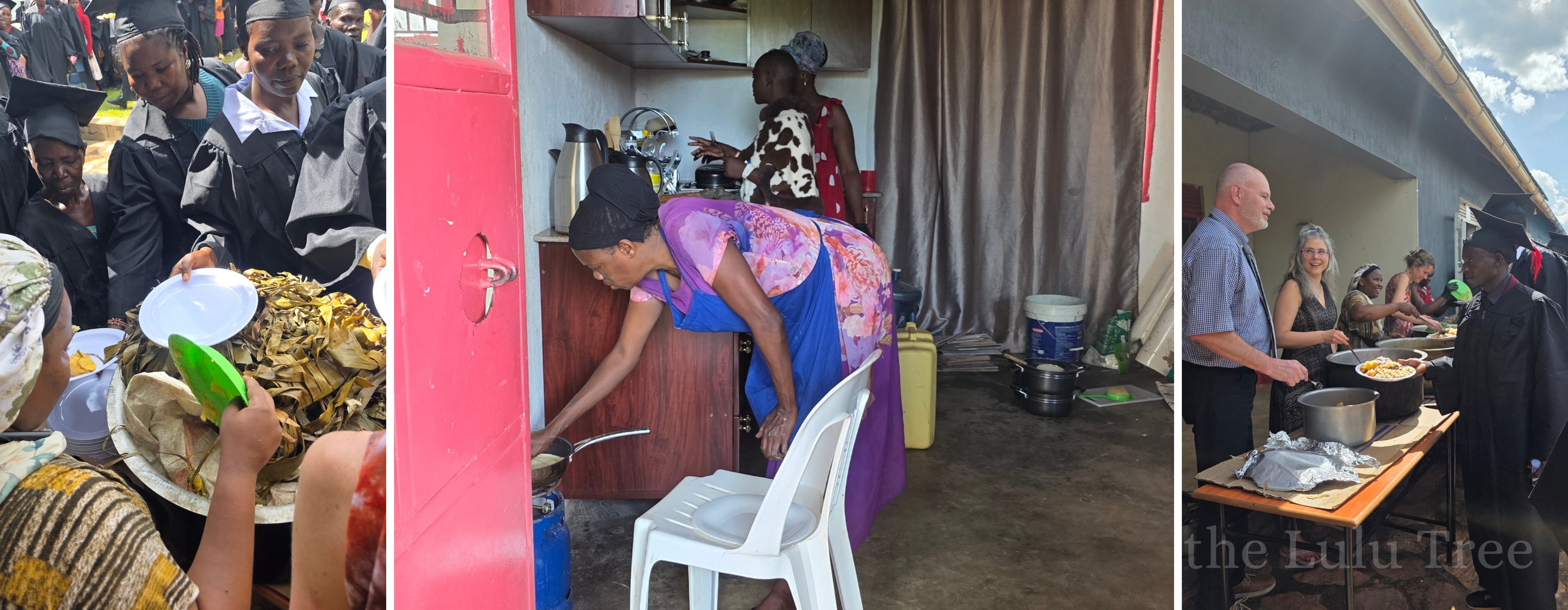
But there are no more plates. Members of our team walk around, discreetly collecting dirty plates from those who’ve finished, returning them to the kitchen to be washed.
I peek in to check on the progress. One woman sits on a chair in the dark kitchen, slowly washing plates in a bucket on the floor.
I cringe. It’s so inefficient. I quietly offer to help, to move the bucket to the counter, to do anything that will make this process move faster so we can feed the hungry people.
But Emily shakes her head. No.
“We can’t barge in and solve problems our own way.
We must let them solve the problem themselves.”
I cringe again, this time, at my own ignorance and pride. Who am I to say that faster is better? That I know the best way to solve a problem? I’m glad I only whispered my ideas to Emily instead of barging in to try to save the day.
Western missionaries haven’t always been good at empowering local leaders. We swoop in with our timetables and efficiencies, assuming our way is better. But we don’t know the damage we do when we take the efficient route. We build a clinic then pay a doctor and nurse to run it, leaving them dependent on us for their ministry, like children unable to become independent from their mothers.
Many years ago, I read When Helping Hurts: How to Alleviate Poverty Without Hurting the Poor . . . and Yourself. The author points out that,
“While poor people mention having a lack of material things, they tend to describe their condition in far more psychological and social terms than our North American audiences. Poor people typically talk in terms of shame, inferiority, powerlessness, humiliation, fear, hopelessness, depression, social isolation, and voicelessness. North American audiences tend to emphasize a lack of material things such as food, money, clean water, medicine, housing, etc.” (Steve Corbett, When Helping Hurts)
Often, the ways we try to fix developing communities leads to more shame, inferiority, powerlessness, humiliation, fear, and hopelessness. But that isn’t the call God has put on His followers. We’re called to go deeper, to love with actions and in truth, not just with a partial answer but by pointing toward hope, healing, and reconciliation.
This is how we know what love is: Jesus Christ laid down his life for us. And we ought to lay down our lives for our brothers and sisters. If anyone has material possessions and sees a brother or sister in need but has no pity on them, how can the love of God be in that person? Dear children, let us not love with words or speech but with actions and in truth.
1 John 3:16-18
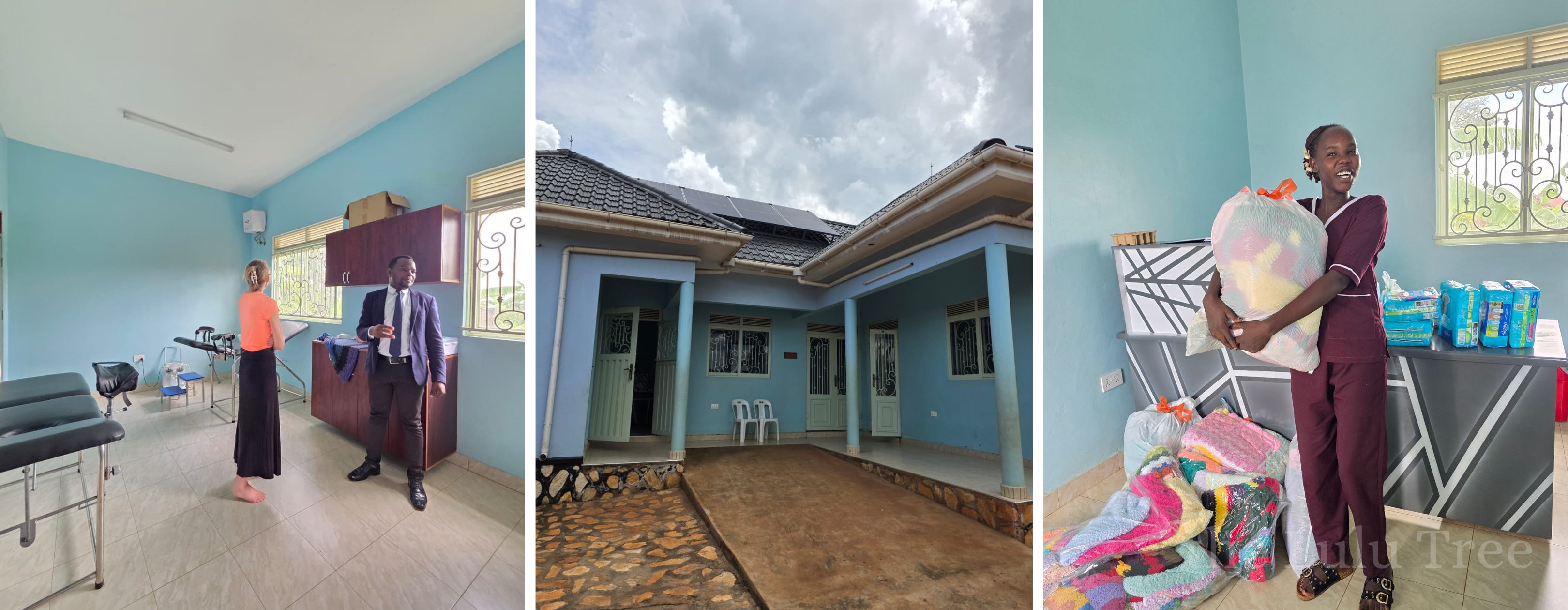
Aware of this tendency for our motives to get in the way of truly empowering the poor, God led the Lulu Tree to choose a different route. The clinic building is owned by Lulu Tree, and the doctor pays monthly rent for the use of the space. It’s not a high rent, but it requires him to charge a nominal fee for his services. His clinic is not as well attended as the free ones, but paying a small, realistic fee brings dignity to the sick. It gives them a sense of ownership and pride that gets stripped when everything is offered for free.
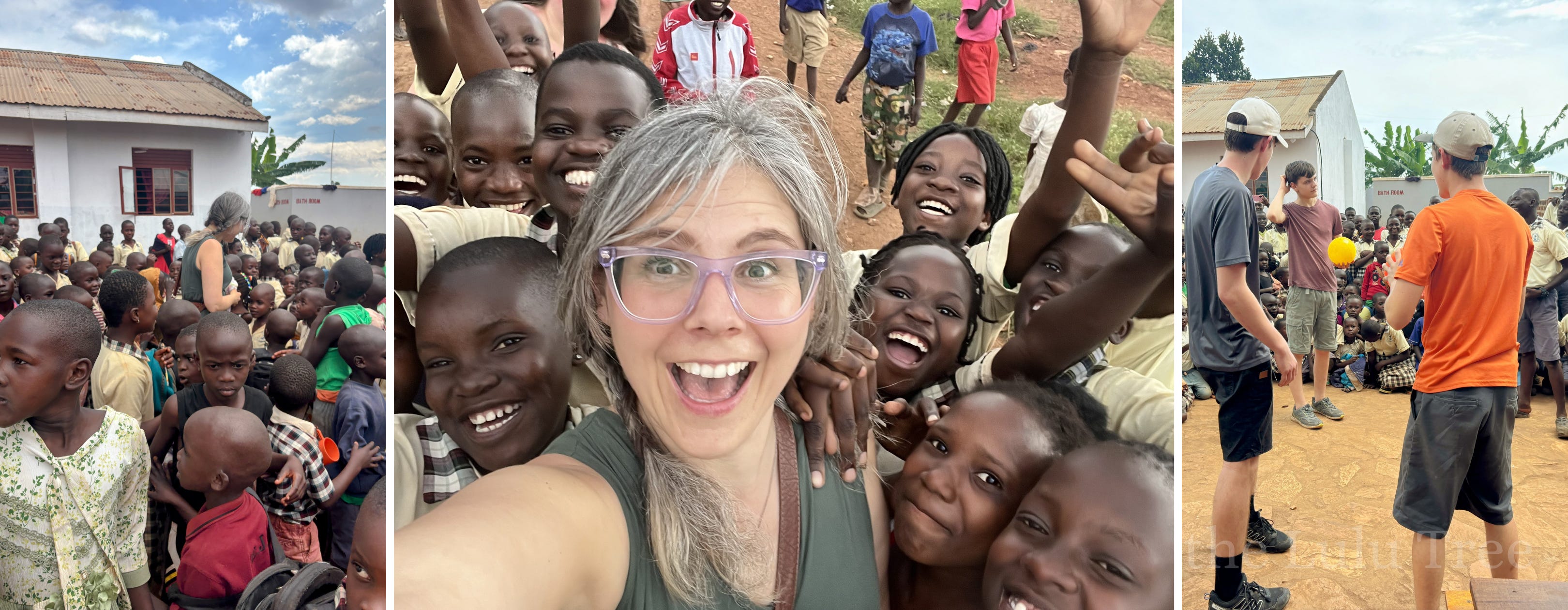
The school is run the same way. An evening conversation with Headmaster George reveals a man who is immensely proud of what he has built. The Lulu Tree owns the school building, and when it was purchased, it had only a handful of kids in it. In the past few years, George’s community-minded leadership, attention to hiring good teachers, and small school fees have built the school to more than 400 children. It bursts with energy every day of the week.
When I ask Emily about this model, she says, “We didn’t want the school and clinic to be reliant on us if we have to pull out.”
And, by God’s grace, this sustainable ministry has grown from the ground up. Rather than rely on the Lulu Tree’s presence and money, the clinic and school are self-sufficient and thriving.
That is the kind of ministry that is financially sustainable, but it’s also the kind of ministry that leads with human dignity, trusting God to be the hero instead of raising ourselves up as the heroes. This kind of hope-bringing ministry reminds us that everyone has something to contribute to the global Church, and that God can work just as well when dishes are washed one-by-one as He can with an industrial powered dishwasher.
In the end, all the graduates are fed.
And the local village children who have wandered into the compound out of boredom have also been fed, pairs of children eagerly sharing plates that haven’t been wiped clean.
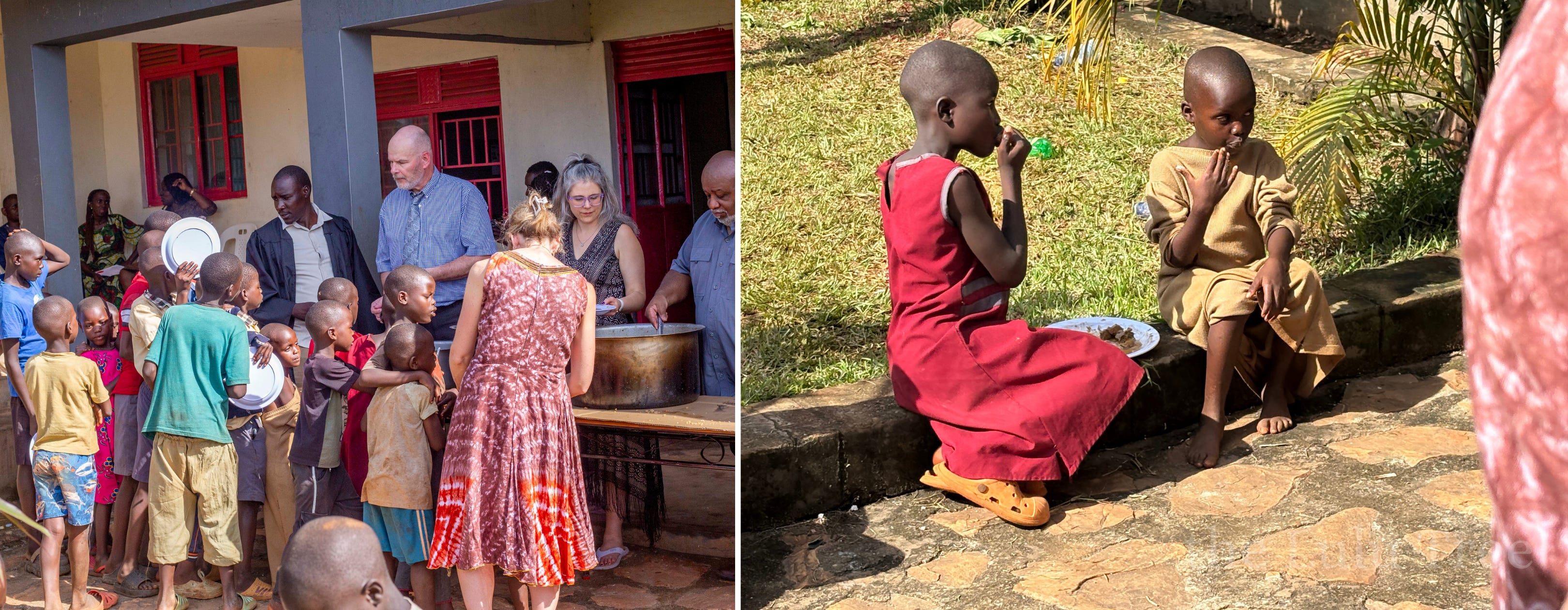
Everyone has had enough. Stomachs are full, and hearts are, too. And I learned a little bit more about the God who doesn’t need plates to serve His people the best feast of all.
(Check out Christie’s awesome family discipleship materials HERE.)